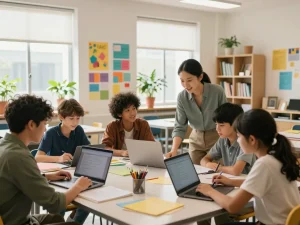
Essential Guide to Interactive Learning at da88.education in 2026

The Importance of Interactive Learning in Modern Education
As educational paradigms shift towards fostering student engagement and collaboration, the significance of interactive learning has become increasingly paramount. This approach not only focuses on the absorption of knowledge but also emphasizes the active participation of students in their learning process. Interactive learning environments create opportunities for students to engage with the content, their peers, and educators in meaningful ways, thereby enhancing the overall educational experience. For educational institutions embracing this trend, resources like https://da88.education/ provide valuable insights into best practices and strategies for implementation.
Defining Interactive Learning
Interactive learning can be defined as an instructional method that actively engages students in the learning process. Unlike traditional lecture-based approaches where students passively receive information, interactive learning encourages students to participate in discussions, collaborate on projects, and utilize technology to enhance their understanding. This pedagogical shift aligns with contemporary educational theories, which highlight the importance of experiential learning and critical thinking skills in achieving educational outcomes.
Benefits for Student Engagement
There are numerous benefits associated with interactive learning, particularly in boosting student engagement. Some key advantages include:
- Enhanced Motivation: Interactive methods increase student interest and motivation by making learning enjoyable and relevant.
- Improved Retention: Active participation helps students retain information more effectively than passive listening.
- Development of Critical Skills: Students learn essential skills such as teamwork, communication, and problem-solving, preparing them for real-world challenges.
- Personalized Learning: Interactive settings can be tailored to meet diverse student needs, enabling differentiated instruction.
Challenges in Implementation
Despite the clear benefits, implementing interactive learning approaches can present challenges. Educators may face constraints such as limited resources, lack of training, or resistance to change from traditional teaching methodologies. Additionally, ensuring equitable participation among students in group settings can be a hurdle. Addressing these challenges requires a commitment to professional development and a shift in institutional culture towards valuing engagement and collaboration.
Strategies for Effective Interactive Learning
Utilizing Technology in the Classroom
Technology plays a crucial role in facilitating interactive learning. Tools such as interactive whiteboards, educational apps, and online collaboration platforms can transform the learning environment. Incorporating technology allows educators to create dynamic lessons that engage students in multimedia presentations, virtual simulations, and real-time feedback. For instance, using platforms like Google Classroom can streamline communication and enhance collaboration among students.
Collaborative Learning Techniques
Collaboration is a cornerstone of interactive learning. Techniques such as group projects, peer teaching, and team-based problem solving foster a sense of community and encourage students to learn from one another. By working together, students develop social skills and better understand diverse perspectives. Educators should structure group activities thoughtfully, ensuring clear roles and responsibilities to maximize effectiveness.
Best Practices for Teachers
To successfully implement interactive learning, educators should adopt certain best practices:
- Set Clear Learning Objectives: Define what students should achieve through interactive activities.
- Encourage Active Participation: Use techniques like think-pair-share to promote engagement.
- Provide Timely Feedback: Offer constructive feedback during the learning process to guide students.
- Reflect and Adapt: Regularly evaluate the effectiveness of interactive strategies and adjust as needed based on student feedback and outcomes.
Case Studies of Successful Interactive Learning Environments
Institutional Examples
Numerous educational institutions have successfully implemented interactive learning strategies, leading to enhanced student engagement and improved outcomes. For instance, a university in California adopted a flipped classroom model, allowing students to explore lecture materials at home and engage in hands-on applications during class time. This approach has resulted in higher student satisfaction and academic performance.
Real-world Applications and Outcomes
Real-world applications of interactive learning can be observed in various fields. For example, in a medical training program, students participate in simulations and case-based discussions to develop critical thinking and clinical skills. These interactive methods have shown to produce graduates who are better prepared for the complexities of patient care.
Feedback from Students and Educators
Feedback from students and educators involved in interactive learning initiatives often highlights the positive impact on engagement and motivation. Many students report feeling more invested in their learning and appreciating the opportunity to collaborate with peers. Educators often note that students are more willing to contribute to discussions and take responsibility for their learning, creating a vibrant classroom dynamic.
Future Trends in Education: What to Expect in 2026
Technological Innovations
As we look to the future, technological innovations are set to further reshape interactive learning. Advances in artificial intelligence and virtual reality are expected to provide immersive learning experiences that cater to individual student needs. By 2026, classrooms may incorporate fully interactive environments where students can engage with content in ways previously thought impossible.
Shifts in Educational Philosophy
Educational philosophies are also evolving, with a growing emphasis on student-centered learning. This shift reflects a broader recognition of the importance of emotional intelligence and soft skills alongside traditional academic knowledge. Future curricula may prioritize collaborative projects and real-world problem solving over rote memorization, preparing students for the complexities of the modern workforce.
Adapting to Student Needs
As student demographics and needs continue to diversify, educational institutions will need to adapt their interactive learning strategies. Personalized learning experiences that account for varied learning styles and backgrounds will become increasingly critical. Educators will be challenged to create inclusive environments where every student feels valued and engaged.
Measuring Success in Interactive Learning Approaches
Key Performance Indicators
Measuring the success of interactive learning methods requires the establishment of clear key performance indicators (KPIs). Factors such as student engagement levels, academic performance, and retention rates can provide valuable insights into the effectiveness of these approaches. Surveys and assessments can help gauge student satisfaction and learning outcomes.
Adaptation of Learning Metrics
Learning metrics must also evolve to reflect the dynamics of interactive learning. Traditional measures of success may not fully capture the benefits of collaborative or experiential learning. New assessment methods, such as portfolios and peer evaluations, can offer a more comprehensive picture of student progress and achievement.
Evaluating Long-term Impact
Ultimately, the long-term impact of interactive learning approaches on student success and personal development will become a focal point of evaluation. Institutions will need to track alumni outcomes and professional achievements to assess the effectiveness of their educational models. This holistic view will help ensure that interactive learning remains relevant and beneficial.
What are the benefits of interactive learning?
Interactive learning offers enhanced motivation, improved retention of information, development of critical skills, and personalized learning experiences. These benefits contribute to a more engaging and effective learning environment for students.
How can schools implement interactive learning strategies?
Schools can implement interactive learning strategies by utilizing technology, fostering collaborative techniques, and adopting best practices that encourage active participation and timely feedback from educators.
What technologies enhance interactive learning?
Technologies such as interactive whiteboards, educational apps, and online collaboration platforms significantly enhance the interactive learning experience by facilitating engagement and providing dynamic resources for students.
How is student feedback involved in interactive learning?
Student feedback plays a critical role in interactive learning by guiding educators in refining their approaches and ensuring that the learning experience remains relevant and responsive to student needs.
What future changes are expected in education by 2026?
By 2026, we can expect advancements in technology, shifts towards student-centered learning, and a more adaptable approach to meeting diverse student needs in education.